Lime mortar has been the standard binding material for Italian masonry construction for over two thousand years. Its continued relevance in conservation work is not purely historic sentiment: the physical properties of non-hydraulic and hydraulic lime — vapour permeability, low compressive strength, self-healing capacity — make it far more compatible with aged masonry than Portland cement-based alternatives.

Understanding the Lime Types Used in Italy
Italian conservation practice draws on three main categories of lime binder, each suited to different substrate conditions and exposure levels.
Aérea (Non-Hydraulic Lime)
Calcitic or dolomitic lime that sets through carbonation — absorbing atmospheric CO₂ over weeks and months. This lime remains the most breathable option and is preferred for interiors and protected exteriors where dampness is not the primary threat. It is produced in Italy under CL 90 classification (EN 459-1), indicating a minimum 90% calcium oxide content. The setting process is slow: full carbonation of a 10mm joint can take 12 months under normal Italian conditions.
Idraulica Naturale (Natural Hydraulic Lime)
NHL (Natural Hydraulic Lime) sets through a combination of hydraulic reaction and carbonation. It develops strength faster than aérea lime and performs better in exposed or damp conditions. The Italian peninsula has historically produced its own hydraulic limes — notably from the volcanic deposits around Pozzuoli near Naples, which gave pozzolanic lime its name. For restoration, NHL 2, NHL 3.5, and NHL 5 grades (EN 459-1) cover the range from soft to moderately exposed conditions.
Grassello di Calce
Slaked putty lime, matured in water for extended periods — sometimes years in specialist production. Grassello produces a particularly workable, cohesive mortar and is associated with high-quality finishing and decorative plasterwork. Several Venetian and Florentine conservation projects have specified grassello aged for a minimum of 18 months when replicating original ornamental renders.
Mortar Analysis Before Formulation
Matching a repair mortar to existing historic fabric requires physical and chemical analysis of the original. Standard practice in Italian conservation includes:
- Thin-section petrography to identify aggregate type, size distribution, and binder-to-aggregate ratio
- X-ray diffraction (XRD) to identify mineral phases in the binder and assess hydraulic content
- Scanning electron microscopy (SEM) for pore structure and interfacial analysis
- Compressive and flexural strength testing on extracted samples
- Water absorption and vapour permeability measurements
The UNI EN 1015 series sets out standard test methods applicable in Italy. Regional conservation guidelines — particularly those issued by the Soprintendenza of Venice, Florence, and Rome — often reference additional protocols for specific building types.
Aggregate Selection and Sourcing
Aggregate gives lime mortar its colour, texture, and much of its mechanical character. In Italian restoration work, aggregate matching is considered as important as binder selection. River sand, crushed stone, brick dust (cocciopesto), and volcanic aggregates each produce distinctly different mortars.
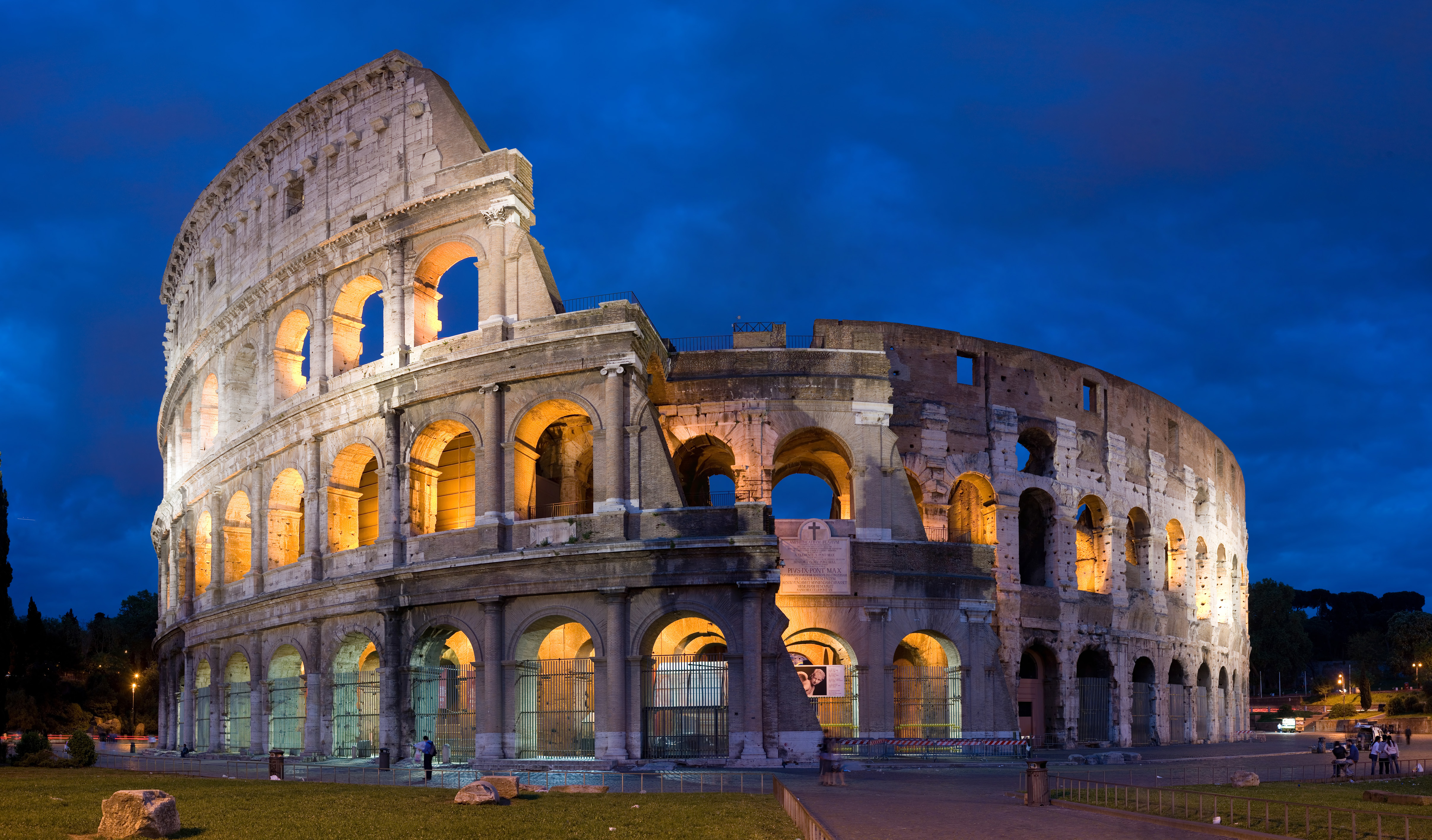
Cocciopesto
Ground brick or terracotta incorporated as a pozzolanic addition. The ancient Romans used it extensively in hydraulic mortars — the cisterns and thermal structures at Pompeii and Herculaneum relied on cocciopesto to achieve water resistance without modern waterproofing membranes. In contemporary restoration, this material appears in re-pointing work on historic waterfront structures, particularly in Venice and along the Ligurian coast.
Volcanic Aggregates
Pozzolana rossa and grigia from the Alban Hills around Rome remain commercially available and are used in mortar formulations for Roman-period and medieval structures in Lazio. Their reactivity with lime produces a hydraulic set that replicates the performance of original Roman mortars more closely than synthetic admixtures.
Application and Curing Considerations
Lime mortar application on historic structures differs from standard masonry practice in several respects. Joints are typically raked out to a minimum depth of 20–25mm before re-pointing, to ensure adequate mechanical key. The substrate is pre-wetted to slow suction and prevent premature drying, which would impair carbonation. Application in multiple thin passes — typically 10–15mm per layer — avoids shrinkage cracking.
Temperature and humidity conditions are critical. Italian conservation guidance generally advises against lime mortar application below 5°C or above 30°C, and direct sunlight protection is standard during curing. In summer months across central and southern Italy, work is often scheduled for early morning and shaded during the hottest hours.
Regional Variations in Practice
Italian conservation has never been a single unified practice. The materials and techniques considered appropriate in Venice differ from those common in Sicily or Piedmont, reflecting both the local geology and the regional schools of conservation that developed through the twentieth century. The Venetian tradition, developed largely through the work of the Istituto Universitario di Architettura di Venezia (IUAV) and supported by UNESCO programmes, places particular emphasis on minimum intervention and reversibility. In Rome, the presence of ancient volcanic substrate encourages a different material logic — one more accepting of pozzolanic additions.
Standards and Reference Documents
Key references for practitioners working on Italian heritage structures include:
- UNI EN 459-1:2015 — Building limes: definitions, specifications, conformity criteria
- UNI EN 998-1:2017 — Specification for mortar for masonry: rendering and plastering mortar
- UNI EN 1015 series — Methods of test for mortar for masonry
- Venice Charter (1964) — ICOMOS international principles for conservation and restoration
- Carta del Restauro (1972) — Italian ministerial guidelines for conservation intervention
Common Errors in Lime Mortar Restoration
Portland cement addition — even in small proportions — significantly increases the compressive strength and reduces vapour permeability of a lime mortar, concentrating stress at the stone-mortar interface and accelerating spalling of historic masonry. This error appears in post-war repair work across Italy and accounts for a significant portion of visible facade damage on buildings restored in the 1960s and 1970s.
Premature removal of protective hessian or sprayed water curing, particularly during summer, leads to surface carbonation failure. The mortar skins over but remains unset beneath, producing a layer that powders under light cleaning.
See also: Sourcing Period Materials for Stone Facade Restoration · Navigating Italian Cultural Heritage Regulations

